

Writing Nefertiti: Research, Choices, and the Afterword
Share
From Fragments to Flesh: The Research Journey
Bringing Nefertiti to life required balancing respect for the historical record with the imaginative work of novel writing. The Amarna period is rich and strange—iconography, dramatic shifts in religious practice, and an archaeological record that offers tantalizing hints rather than a full script. Research began with primary sources, archaeological summaries, and careful reading of existing scholarship to understand the political and religious upheavals of the era. But the novelist’s task was always to imagine interiority: what did this world feel like day to day? How did people argue, grieve, and love?
One important choice was focus. Rather than attempt a panoramic chronicle of every political maneuver, the book anchors itself in Nefertiti’s point of view. This creates intimacy and allows readers to move through sumptuous public ceremonies and hushed, private reckonings with a single emotional compass. To ground those scenes, material research—art styles, household routines, court protocol—infused small but essential details: the scent of oils, the way a procession was arranged, the cadence of prayers.
Balancing Fact and Fiction
Fiction about well-known figures can easily tip toward hagiography or caricature. The guiding principle here was empathy without effacement: characters are flawed, motivated, and recognizable. Where the historical record is ambiguous, the novel leans into plausible interior life rather than inventing sensational events. The Afterword (included in the book) explains which liberties were taken and why—an invitation for readers to differentiate documented facts from narrative choices.
Another challenge was portraying theological conflict without reducing it to a plot device. Religious shifts in the Amarna period were profound, reshaping culture and politics. To respect that complexity, the book shows faith as lived experience: rituals that comfort, priesthoods that govern social order, and new cultic practices that promise relief and provoke resistance.
Crafting Intimacy and Silence
Many of the novel’s most revealing moments occur behind closed doors—moments of silence, restraint, and small betrayals. Writing closed-door intimacy meant trusting subtlety: a look that lasts too long, a question left unanswered, a bed empty at dawn. Those quiet choices often hold more truth about a relationship than any public declaration.
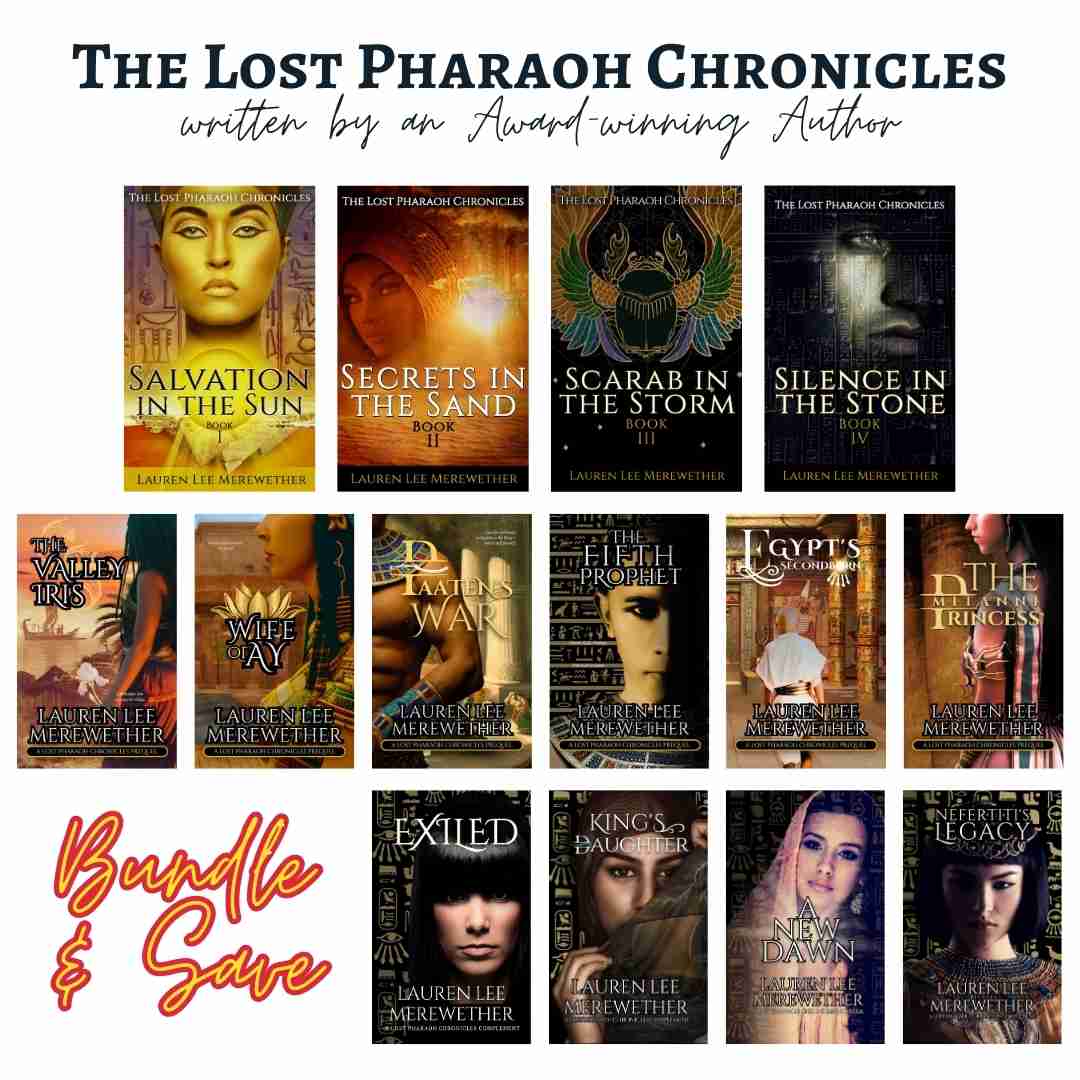
Ultimately, Salvation in the Sun is an act of translation: taking the archaeology, art, and scholarship of a distant time and rendering it into human stakes readers can care about. For those who finish the novel and want to dig deeper, the Afterword and suggested reading list point toward the scholarship that inspired the story. The past remains partial, but through careful research and compassionate imagination, a compelling human story emerges from the dust.
